For years, inventory software implementations have been drifting toward “remote by default.” Screen shares, digital checklists, and templated workflows promise faster go-lives and lower upfront costs.
On paper, it all looks efficient, but in practice, many warehouses still struggle after go-live.
Accuracy slips. Adoption stalls. Teams quietly build workarounds. And months later, leadership wonders why the system never quite delivered what the demo promised.
As operations grow more complex heading into 2026—more SKUs, more channels, tighter margins—the limitations of remote-only inventory integrations are becoming harder to ignore. In-person inventory integrations aren’t about doing things the old way. They’re about fixing the things software alone can’t see.
The Gap Between Designed Workflows and Real Ones
Every inventory system is built around workflows. Receiving, putaway, picking, counting, shipping. On a whiteboard or in a demo environment, those workflows look clean and logical.
On the warehouse floor, they rarely are.
Pallets land where there’s space, not where the system expects. Labels get placed where scanners can reach them fastest. Pickers take shortcuts to hit throughput goals. None of this shows up in SOPs, and almost none of it comes out clearly on a Zoom call.
In-person integrations expose the difference between how work is supposed to happen and how it actually happens. That distinction matters. When systems are configured around reality instead of assumptions, accuracy and adoption improve dramatically.
What Integrators Learn on the Floor That Software Can’t
There’s a reason experienced inventory integrators insist on spending time on-site.
People talk differently in person. They show you things they would never think to mention in a meeting. A picker might casually point out that a location technically exists in the system but is impossible to access safely. A receiver might explain why certain items always get scanned later instead of immediately.
These insights don’t come from process maps. They come from observation. On-site time often reveals:
- Where teams bypass the system under pressure
- Which steps feel redundant or confusing
- Where accuracy breaks down first during busy shifts
- How tribal knowledge fills gaps the system doesn’t account for
This information is critical when configuring inventory tools to support real behavior instead of fighting it.
Why Inventory Integrations Break Between Demo and Dock Door
Most inventory demos are honest—but incomplete, because they assume:
- Clean locations
- Consistent labeling
- Reliable connectivity
- Perfect compliance with scanning steps
Real warehouses introduce friction: damaged barcodes, mixed pallets, partial receipts, shared staging areas, and constant interruptions. When integrations are built remotely, these realities often surface only after go-live—when fixing them is more expensive and disruptive.
In-person integrations reduce this risk by stress-testing workflows before they’re locked in. It’s far easier to adjust a process while standing in the aisle than after weeks of training and data entry.
Adoption Is the Real ROI
One of the most overlooked benefits of in-person inventory integrations is user adoption.
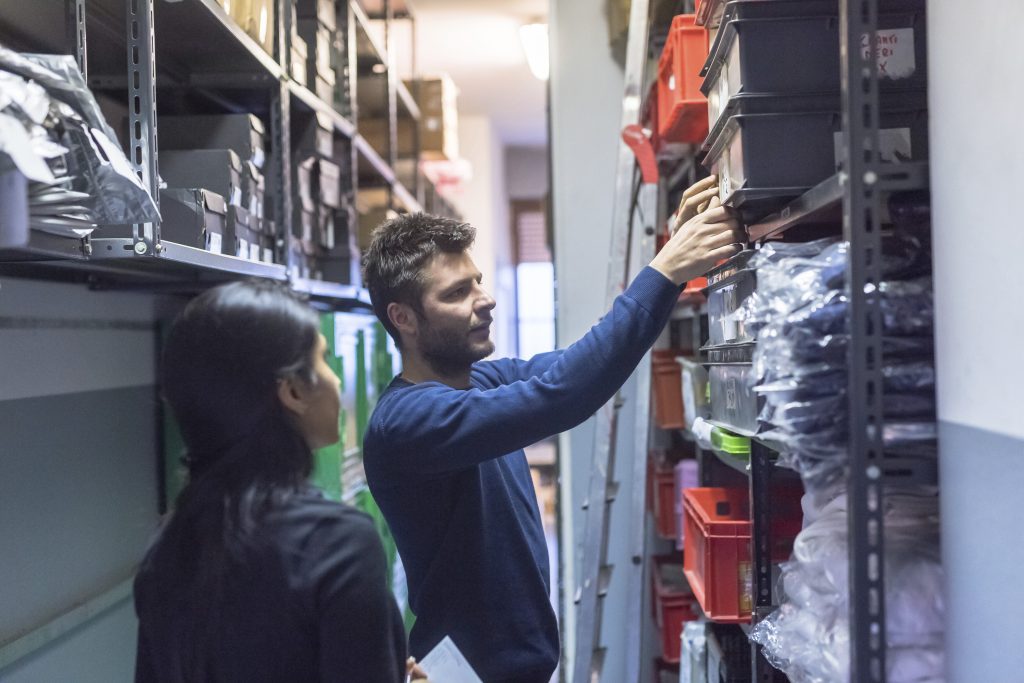
When teams see someone take the time to understand their environment, ask questions, and adjust workflows to fit the operation, buy-in changes. The system stops feeling like something “corporate rolled out” and starts feeling like a tool built to help them succeed.
This matters in 2026 more than ever. Labor turnover, cross-training, and lean staffing mean systems must be intuitive under pressure. In-person integrations help simplify workflows, reduce unnecessary steps, and ensure that the easiest way to do the job is also the correct one.
Adoption isn’t a training issue—it’s a design issue.
Cleaner Data From Day One
Inventory systems don’t magically fix bad data. They amplify whatever data they’re given.
In-person integrations help prevent common data problems before they spread:
- Incorrect location logic
- Misaligned units of measure
- Inconsistent naming conventions
- Missing edge cases for returns, rework, or exceptions
By validating data flows on-site, teams avoid months of downstream corrections. This leads to faster confidence in reports, calmer purchasing decisions, and fewer “we don’t trust the numbers yet” conversations.
When Remote Integrations Do (and Don’t) Work
Remote inventory integrations aren’t always wrong. For small, simple operations with stable workflows and experienced teams, they can be effective.
But complexity changes the equation, especially when dealing with robust inventory management systems.
Multiple warehouses, manufacturing steps, kitting, lot tracking, or high order volume all increase the cost of assumptions. In these environments, in-person time isn’t a luxury—it’s risk management.
The more your operation relies on inventory accuracy to meet customer expectations and protect cash flow, the more valuable on-site integration becomes.

The Long-Term Cost Equation
In-person integrations are often evaluated purely on upfront cost. That’s a mistake.
The real comparison isn’t remote vs on-site—it’s rework vs prevention. Time spent correcting workflows, retraining staff, rebuilding trust in the system, or re-implementing modules quietly dwarfs the cost of doing it right the first time.
In-person integrations pay off through:
- Faster stabilization after go-live
- Higher user confidence
- Fewer manual workarounds
- More reliable inventory data
Those benefits compound over time.
Why This Matters Even More in 2026
Warehouses in 2026 are under pressure to do more with less. Faster fulfillment, tighter margins, and higher customer expectations leave little room for friction.
Inventory systems are no longer just record-keepers—they’re decision engines. When those engines are configured without understanding the physical environment they support, problems are inevitable.
In-person inventory integrations ensure that technology fits the operation, not the other way around. They bridge the gap between software promise and operational reality.
Final Thought: Presence Still Matters
In-person integrations aren’t about resisting progress. They’re about respecting complexity.
Standing on the floor, watching work happen, and listening to the people who live in the system every day leads to better design, better adoption, and better outcomes. As inventory operations become more demanding in 2026, that presence isn’t optional—it’s strategic.
The best integrations don’t just connect systems, they connect reality to results.